.png)









Salary Guide Australia 2026
Access the most comprehensive insights into 2026 Australian salaries and hiring trends to support mid-year salary and performance review decisions in your industry.
Australia hiring and jobs trends
The Robert Walters Salary Guide provides a clear view of Australia's job market in 2026, offering timely insights to support mid-year salary and performance review conversations. As businesses reach the midpoint of the year, organisations are reassessing workforce needs against a backdrop of stabilising economic conditions and more targeted, confidence-led hiring.
Professionals remain mobile, with career development, fair pay, and strong leadership driving decisions. Salary movement through 2026 is expected to be moderate and targeted rather than broad-based, with increases focused on in-demand roles as employers balance cost control with retention. At the same time, AI is reshaping roles and accelerating demand for specialised expertise, while workforce expectations continue to evolve - flexibility, wellbeing, and purpose now sit alongside salary as key drivers of engagement.
About the 2026 Salary Guide
Offering a comprehensive look into the evolving job markets of Australia and New Zealand, our salary guide provides the insights you need to stay ahead in a rapidly changing workforce landscape. Incorporating feedback from our annual Salary Survey of over 5,500 white-collar professionals spanning more than 12 industries, alongside an in-depth analysis of over 100,000 advertised roles across the region, this year’s guide provides a forward-looking perspective on the trends shaping 2026. It also features detailed salary ranges and actionable insights tailored to meet your needs.
What are benefits of the 2026 Salary Guide?
For hiring managers and employers:
- Benchmark salaries competitively across industries
- Plan hiring and reward strategies with confidence in 2026
- Align compensation with market expectations and business goals
For professionals and job seekers:
- Understand what similar roles are paying in today’s market
- Identify where demand for skills is strengthening
- Prepare for salary conversations and performance reviews
Enter your details below to access the 2026 Salary Guide and salary benchmarking tool.

2026 salary benchmarking tool
The Robert Walters salary benchmarking tool offers quick access to the latest salary data and hiring trends across 31+ countries. Using insights from over 100,000 roles advertised in Australia and New Zealand, it provides salary ranges and averages for hundreds of positions across key industries.
This digital tool is designed to give hiring managers and job seekers a clear, up-to-date view of the job market. Whether you're benchmarking salaries or exploring your earning potential, the salary benchmarking tool delivers the data you need, all in one place.
Key features of the tool:
- Customised insights by sector, role, and location.
- Clear salary comparisons to support career planning or hiring strategies.
- Access to global, national, and local data to inform decisions.
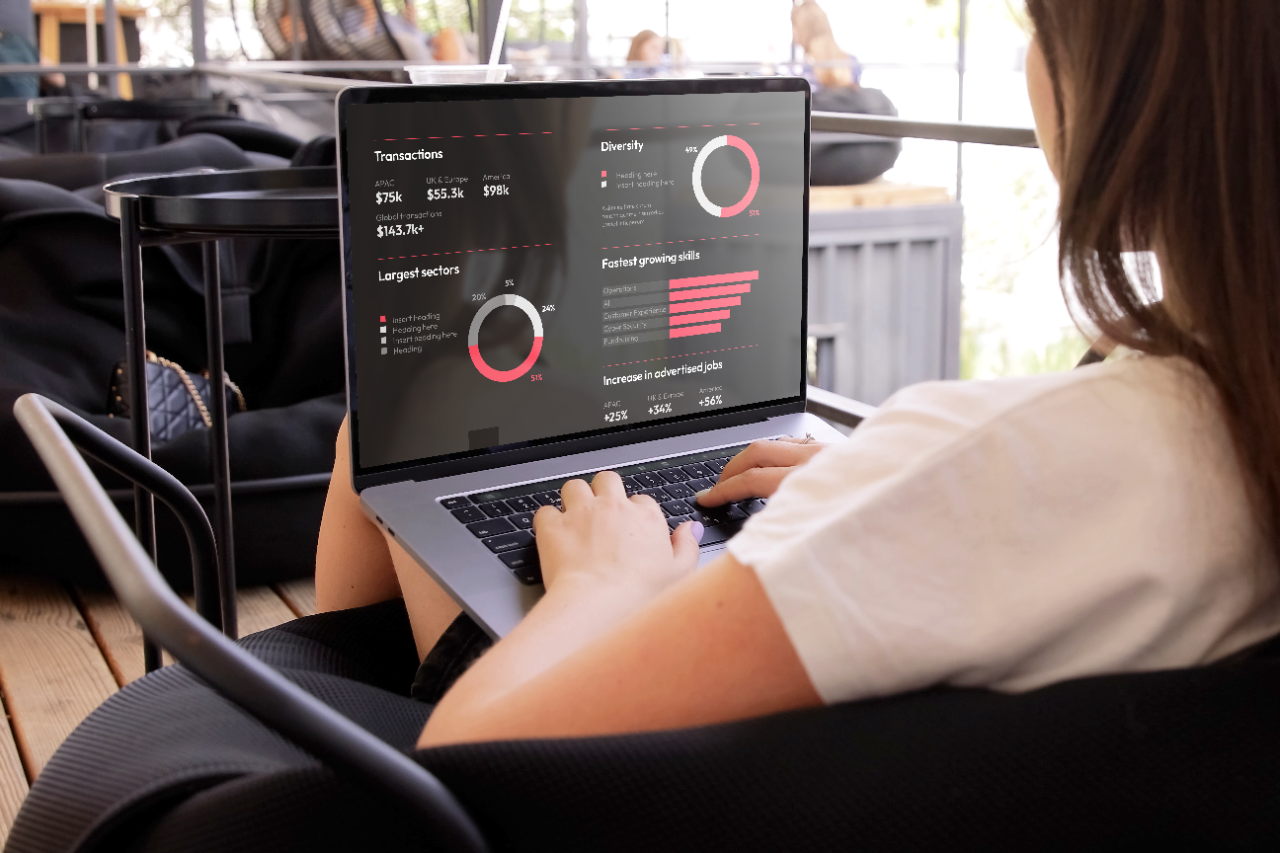
Enhance your compensation strategy with Market Intelligence services
Drive successful talent acquisition and retention with our data-driven insights. Achieve workforce diversity, team growth, and strategic relocations with confidence. Our expert team delivers precise salary and benefits benchmarking, talent and market mapping, and competitor analysis to elevate your hiring strategy.Frequently Asked Questions
-
Why should I use a salary guide?
To find out what a reasonable salary is for the job and industry you are in or are thinking of moving into, use a Salary Guide to discover the average pay for someone with a similar level of experience as you and view your earning potential. -
What is salary benchmarking
Salary benchmarking is the process of comparing salaries across the market for a specific role. It provides detailed ranges and averages, helping both employees and employers make informed decisions about pay. For businesses, benchmarking ensures competitiveness in hiring and retaining talent. For individuals, it offers clarity on fair compensation and market trends, empowering better career decisions. -
When should I use the Salary Guide and when should I use the tool?
Use the 2026 Salary Guide for a comprehensive understanding of market trends, salary ranges, and workforce priorities across industries. It’s ideal for strategic planning, such as preparing for salary negotiations or understanding broader hiring trends.
The Salary Benchmarking Tool is best suited for quick, specific insights into salary ranges and averages by role, sector, or location. Use it when you need actionable data to compare your salary, personal career planning inform hiring decisions or performance reviews.
-
How should employers evaluate employee pay & compensation during performance reviews?
During performance reviews, employers should combine performance evaluations with market insights. Use the salary benchmarking tool to:
- Compare employee pay to market averages and industry standards.
- Address potential pay gaps to retain top talent.
- Align compensation packages with workforce priorities such as flexibility and career progression. This approach ensures fair, competitive pay structures that motivate and retain employees.
-
When is the best time to negotiate my pay?
The best time to negotiate your pay is during the annual or half-year performance review periods. For example, if your company’s annual pay review takes place in January, consider starting discussions in November to align with decision-making timelines. Timing your negotiations strategically can help you achieve the desired outcome. -
Is 2026 a good time to change jobs in Australia?
Yes. In 2026, hiring confidence has returned, with 80% of Australian organisations planning to recruit. At the same time, job mobility remains high, with over half of professionals in both markets considering a role change, driven by pay, career progression, and leadership quality. -
How does AI and automation affect salaries and jobs in Australia?
AI and automation are reshaping job design rather than replacing roles outright. Demand is increasing for professionals who can implement, manage, and work alongside AI tools, while routine tasks are being redefined. The Salary Guide outlines how this is influencing salary premiums, skills demand, and career pathways. -
Which skills are most in demand in 2026?
Skills shortages remain concentrated in industry-specific expertise, leadership capability, and digital and technology skills. AI capability and data literacy are growing in importance, with employers increasingly valuing professionals who can apply technology to improve productivity rather than replace roles entirely. -
Are salaries keeping up with the cost of living?
Only 19% of Australian professionals say their salary keeps pace with inflation. In Melbourne, 9.5% feel their pay is keeping up, compared to 8% in Sydney, 14% in Adelaide and Perth, and 11% in Brisbane. While employers report easing pressure compared to 2025, many employees still feel the financial strain.